

Sewing Safety for Beginners
Starting a sewing hobby can be exciting, but the fear of making mistakes often overwhelms beginners. Whether it’s ruining fabric, making wrong stitches, or damaging the sewing machine, many new sewers worry about costly errors.
Are you concerned about making mistakes that could set you back or cause frustration? The good news is that with the right safety tips and techniques, you can avoid common pitfalls, build confidence, and reduce the fear of errors. How can you sew safely and enjoyably while minimizing mistakes?
1. Get Familiar with Sewing Machine Parts

Before you begin using your sewing machine, take the time to familiarize yourself with its parts. Knowing the functions of the needle, presser foot, bobbin, and other machine components will help you use the machine safely and effectively. This is a key aspect of sewing machine safety and can prevent accidents caused by misunderstanding machine functions. For a deeper understanding and hands-on guidance, consider joining a class like the Monday Evening Sewing Course, where you'll learn how to use your sewing machine with confidence.
2. Always Supervise and Set Up a Safe Workspace
Sewing machine safety rules dictate that beginners should always be supervised, especially when they are just starting out. Whether you're a young beginner or a first-time adult sewer, keep your workspace tidy. Avoid clutter, and ensure that no loose cords or fabric get caught in the machine. This is an essential part of sewing machine safety to prevent accidents and improve concentration. For additional guidance and structured learning, you can join the Tuesday Evening Sewing Class, where you'll receive expert supervision and tips for creating a safe sewing environment.
3. Stay Focused and Avoid Distractions
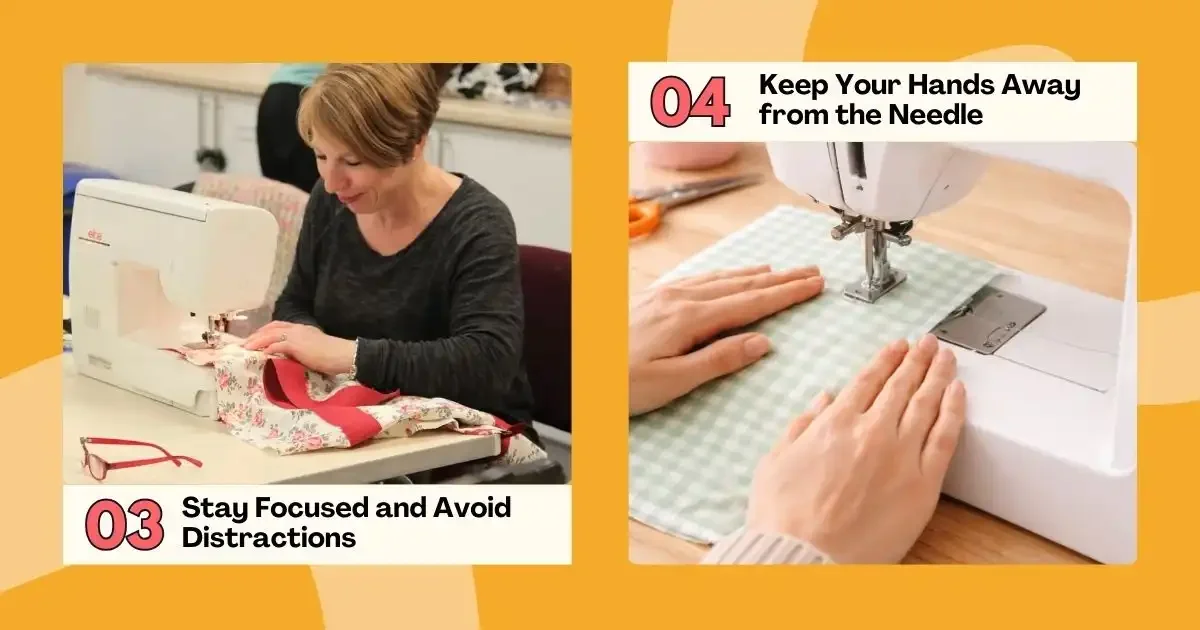
One of the simplest yet most important sewing safety rules is staying focused while operating your machine. Avoid distractions like mobile phones, loud music, or TV, as they can lead to accidents, especially when working with sharp needles and fast-moving machinery. Always keep your hands clear of the needle when the machine is on. To help you maintain focus and learn the best practices, consider joining the Wednesday Daytime Sewing Course, where you can receive expert guidance in a distraction-free environment.
4. Keep Your Hands Away from the Needle
Whether you're using a sewing machine or hand sewing, keeping your fingers away from the needle is one of the most important hand sewing safety rules. Always position your fabric carefully and use a seam ripper when necessary to avoid any hand injuries. Using a thimble for hand sewing can also help protect your fingers.
5. Wear Protective Gear
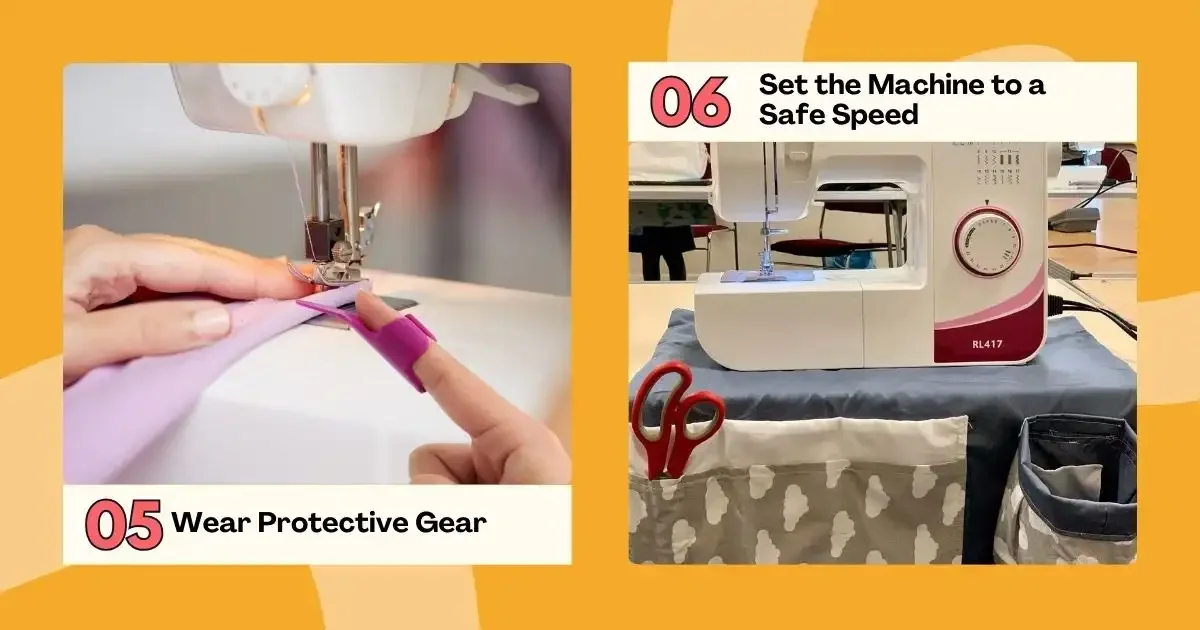
For added safety, especially when using a sewing machine, wear appropriate protective gear. This could include wearing finger guards, which are especially helpful for beginners and can prevent needle pricks. Some sewing machines come with built-in safety features like automatic needle guards, which can enhance your safety while sewing.
6. Set the Machine to a Safe Speed
When learning how to use a sewing machine safely, start with a slow speed. This will allow you to get comfortable with the foot pedal and handling the fabric without feeling rushed. It also reduces the risk of mistakes that could lead to injuries. For more guidance on mastering your sewing machine, consider joining the Wednesday Evening Sewing Course, where you'll learn the essentials in a supportive, hands-on environment.
7. Keep Tools and Accessories Organized

A safe sewing area is an organized one. Keep sharp tools like scissors, pins, and needles in safe containers. Scattered needles or pins can cause injuries, so always store them properly after use. It's also helpful to keep your sewing machine accessories like the foot pedal and power cord tucked away when not in use.
8. Understand Your Sewing Machine Settings
Learn the proper settings for different fabrics and sewing tasks. Each fabric type requires different tension and stitch settings to ensure a smooth sewing experience. This can prevent accidents and damage to both your project and your machine.
9. Practice Without Threading the Machine

If you're a beginner, consider practicing with the sewing machine without threading it first. This will give you a chance to get used to the foot pedal and fabric handling without the added complexity of thread. This is a great way to practice sewing machine safety rules while building confidence.
10. Use the Right Needle for Your Project
Choosing the right needle for your fabric is crucial for both the quality of your project and your safety. Using the wrong needle can cause damage to your fabric or machine and increase the risk of injury. Always make sure you’re using the appropriate needle size and type for your specific fabric.
11. Be Mindful of Cord and Pedal Placement

Make sure that cords and foot pedals are placed safely to avoid tripping or accidental activation of the sewing machine. Keep the area around your machine free of obstructions, so you can focus entirely on your project.
12. Take Breaks and Rest
Sewing can be a relaxing activity, but it can also be physically taxing, especially for beginners. To prevent fatigue and reduce the risk of accidents, take regular breaks. A clear mind and rested hands are crucial for maintaining safe sewing practices.
13. Follow Safety Guidelines for Children

If you're teaching children how to sew, always supervise them closely. Use child-friendly machines with safety features like needle guards and start with simple, non-threatening tasks, such as sewing by hand or making a simple fabric project. Always provide guidance and be sure to explain sewing machine safety rules thoroughly.
14. Learn Basic Emergency Procedures
In case of an accident, knowing basic first-aid procedures is vital. Familiarize yourself with how to treat small cuts or burns, and keep a first-aid kit nearby while you sew. Additionally, make sure to power off your sewing machine when not in use to avoid any accidental injuries.
Sew Smart, Sew Safe with Cotton Club
Sewing can be enjoyable, but following sewing safety rules is key for beginners. By setting up a safe workspace, using the right tools, and wearing protective gear, you can reduce mistakes and accidents. Understanding sewing machine safety rules, practicing without thread, and staying organized will help you sew confidently. Incorporating hand sewing safety rules and taking breaks ensures a safer, stress-free experience.
Now that you’re ready to sew safely and confidently, why not take your skills to the next level with Cotton Club? Cotton Club offers a variety of expertly designed Sewing Courses for all skill levels, whether you’re just starting or looking to refine your techniques. Their hands-on lessons provide valuable insights and practical experience in a supportive environment, helping you build your confidence and mastery in sewing. Browse the range of courses available and start your sewing journey with the guidance of professionals at Cotton Club.
Frequently Asked Questions (FAQs)
What are the best safety tips for beginners using a sewing machine?
To ensure safe sewing, beginners should familiarize themselves with their sewing machine’s parts, follow proper sewing machine safety rules, and keep their workspace organized. Always operate the machine at a slow speed and ensure your hands are kept away from the needle. Following these sewing safety tips and wearing protective gear like finger guards can also prevent accidents.
How can I prevent accidents while sewing by hand?
When hand sewing, always follow hand sewing safety rules by using a thimble to protect your fingers from needles. Be mindful of the sharpness of your sewing tools, and never rush through your stitching. Keeping your workspace clutter-free and taking breaks can help reduce fatigue and prevent mistakes, ensuring you're always following sewing safety rules.
What should I do if I make a mistake while sewing?
Making mistakes is part of the learning process! Use a seam ripper to undo stitching carefully, and practice without thread on your sewing machine to get comfortable with sewing machine safety rules. If you're sewing by hand, don’t be afraid to start over if needed. Following these sewing safety tips will help you avoid further errors and stay safe.
What safety measures should I take when teaching kids to sew?
When teaching children, always supervise them closely and choose child-friendly machines with built-in safety features. Follow proper safety rules for sewing by starting with basic hand sewing projects before moving on to machines. Be sure to explain sewing machine safety rules thoroughly and guide them step by step to ensure they sew safely. For a structured and supportive environment, consider enrolling them in a class like the Monday After-School Sewing Class at Cotton Club, where they can learn sewing in a fun and safe setting.