

Mindfulness and Sewing: Taking Time for Yourself
Life gets busy. Between work, family responsibilities, and the constant noise of day-to-day routines, it’s easy to lose your sense of calm. Many people reach a point where they realise they haven’t had a moment purely for themselves in days, sometimes weeks. And that’s where mindfulness becomes important.
Mindfulness isn’t about sitting in silence or meditating for hours. It can simply be the practice of slowing down, paying attention to one thing at a time, and reconnecting with yourself. Surprisingly to some, sewing is one of the most effective ways to do exactly that.
At Cotton Club, sewing isn’t just a skill. It’s a way to breathe, unwind, and enjoy creative time without pressure. For many students, picking up a needle and thread becomes their weekly pause—a moment to reset, focus, and enjoy something that belongs entirely to them.
Why Sewing Is Naturally Mindful?
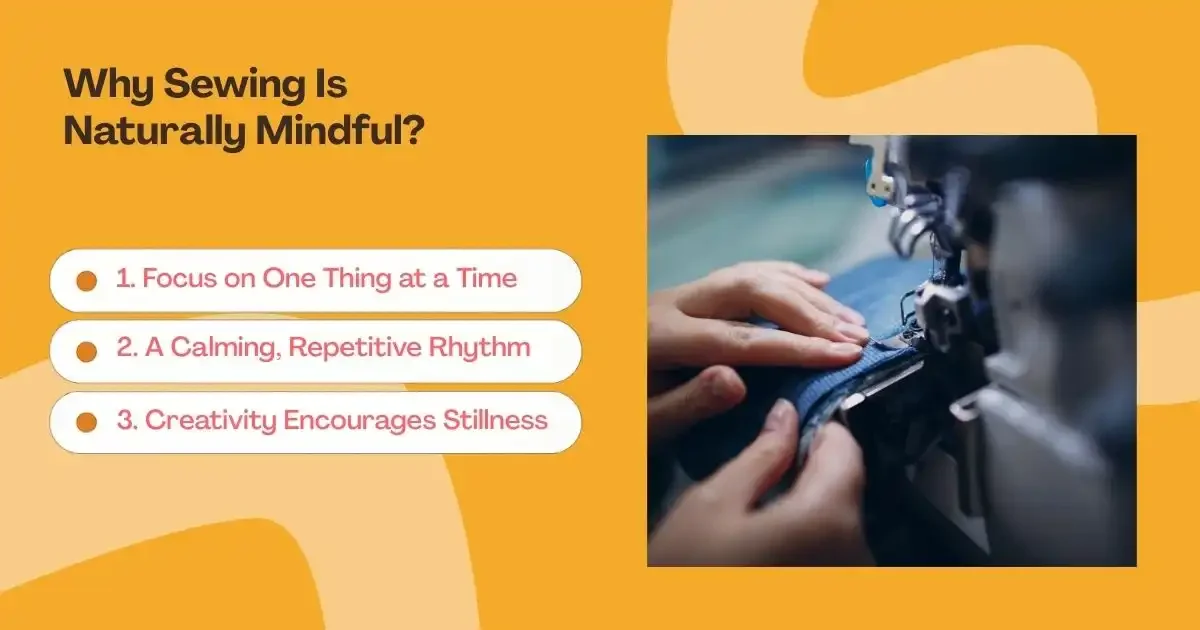
When you sew, your attention becomes centred on the fabric in your hands, the thread, the stitches, and the rhythm of the process. Your mind can’t race in ten different directions. It gently settles into the task in front of you. Mindfulness is simply the act of being present. Sewing encourages presence without forcing it. Instead of thinking, “I must relax,” you just naturally slow down as you follow the steps.
1. Focus on One Thing at a Time
Modern life pushes us to multitask constantly. Sewing brings you back to single-tasking. You pin, you cut, you stitch. Every action has intention. This helps reduce mental clutter and gives your brain space to breathe.
2. A Calming, Repetitive Rhythm
There’s something soothing about the steady flow of sewing. Whether you’re guiding fabric through a machine or hand-stitching, the repetition brings a sense of comfort. Many people compare it to grounding techniques used in mindfulness practices.
3. Creativity Encourages Stillness
When you’re absorbed in creating something beautiful, your mind quiets naturally. You’re pulled into the moment, and stress gently fades into the background.
Sewing as Self-Care
We often talk about self-care as if it needs to be extravagant—a full spa weekend, a long trip, or an expensive treat. In reality, self-care is simply about carving out meaningful time to recharge. Sewing offers a type of self-care that is both creative and nourishing.
Here’s why:
It gives you something that is yours alone: When you sew, you occupy a space where you aren’t doing things for anyone else. You’re making something because it brings you joy. That alone can be incredibly healing.
It encourages patience and kindness (especially toward yourself): Projects don’t always go smoothly. You might need to unpick stitches, redo a seam, or correct a pattern. Instead of viewing these moments as mistakes, sewing teaches you to slow down, breathe, and try again. That process builds patience and self-compassion—two core parts of mindfulness.
It boosts confidence through small wins: Each finished seam, each new technique, each completed project is a reminder that you’re capable. These small achievements add up, especially during stressful times when you might feel overwhelmed or stuck.
How Sewing Helps Reduce Stress?
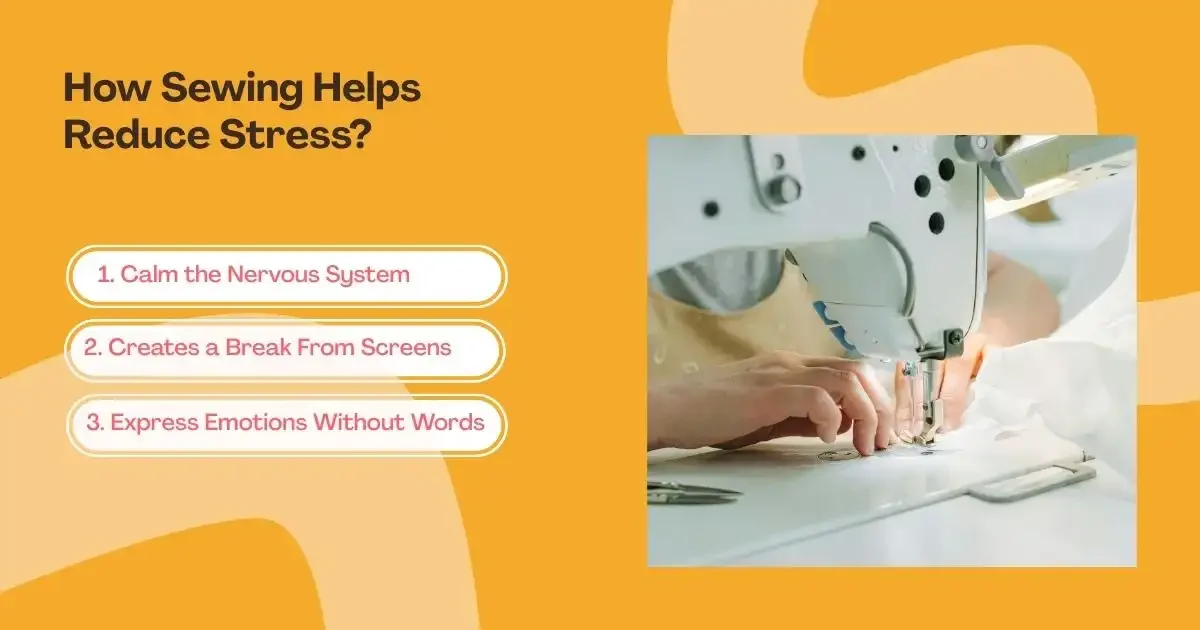
Stress builds when your mind gets overloaded or you’re constantly worrying about things you can’t control. Sewing directs your energy toward something tangible and grounded.
1. Hands-On Activities Calm the Nervous System: There’s a reason people find comfort in knitting, crocheting, pottery, and sewing. Using your hands in a slow, purposeful way signals your brain to shift out of “high-alert mode.” This physical engagement helps regulate stress responses.
2. It Creates a Break From Screens: Most people spend hours each day in front of a phone or computer. Sewing gives your brain and eyes a rest. The shift away from digital stimulation helps restore your focus and reduce anxiety.
3. It Lets You Express Emotions Without Words: Sometimes we carry stress that’s hard to describe. Sewing gives you a creative outlet through colour, texture, and design. Expressing yourself creatively is a proven way to release tension.
The Social Side of Mindful Sewing
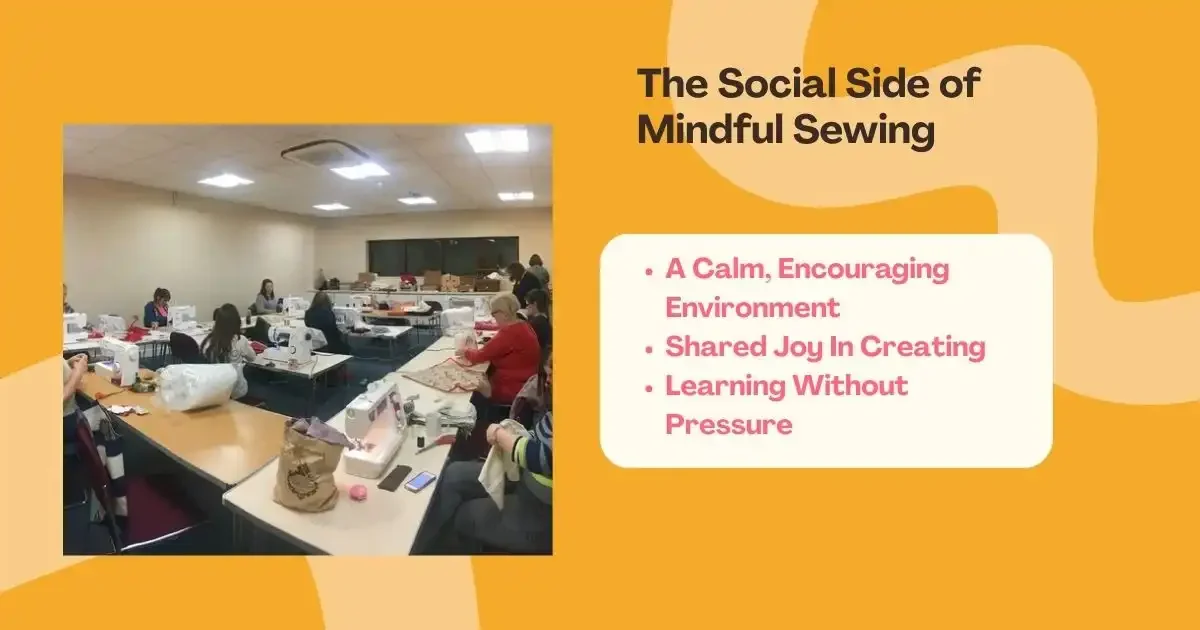
Mindfulness is often seen as a solitary activity, but connecting with others can deepen the experience. At Cotton Club, the community atmosphere plays a huge role in the mindful benefits of sewing.
A Calm, Encouraging Environment
Many people walk into their first class feeling nervous or unsure. Within minutes, they realise the room is warm, friendly, and free from judgement. The focus is on enjoying the craft, not being perfect. This is especially true in sessions like the Monday After School Sewing Class, where learning feels relaxed, supportive, and focused on building confidence through creativity rather than pressure.
Shared Joy In Creating
When learners sit together—each working on their own project but sharing conversations, tips, and laughter—the experience becomes even more grounding. Community has a powerful effect on wellbeing, and sewing classes naturally build that connection, particularly in welcoming sessions like the Monday Evening Sewing Class, where shared creativity and relaxed learning help everyone feel part of the group.
Learning Without Pressure
Cotton Club’s teaching style supports mindfulness because it’s relaxed, supportive, and unhurried. Students learn at their own pace, which creates a calm learning experience rather than a rushed one, especially in options like the Tuesday Evening Sewing Class, where the slower pace allows learners to fully switch off, focus, and enjoy creative time at the end of the day.
Turning Your Sewing Time Into a Mindful Practice
Mindful sewing doesn’t require anything complicated. You can weave small habits into your routine to turn your sewing sessions into calming rituals.
1. Start With Intent
Before you begin sewing, take a moment to set your intention. It can be simple:
“I want to relax.”
“I want to enjoy this process.”
“I’m giving myself time to slow down.”
2. Create a Calm Space
If possible, make your sewing area comfortable. Add soft lighting, calming music, or whatever helps you unwind. A relaxed environment helps your mind settle.
3. Notice the Details
Pay attention to the textures of the fabric, the movement of your hands, the sound of the machine, and the colours you’re working with. This gentle awareness helps you stay present.
4. Accept Mistakes Without Frustration
Every sewer unpicks stitches sometimes. Instead of feeling annoyed, see each correction as part of the experience. Mindfulness is about allowing imperfections without judgement.
5. Celebrate Small Progress
Even if you don’t finish a project in one sitting, appreciate what you’ve done. Progress—big or small—supports self-confidence and calmness.
Why Sewing Classes Enhance Mindfulness Even More?
While sewing at home is relaxing, joining a class adds another layer to the experience. Cotton Club’s workshops and courses create the perfect environment to practice mindfulness through sewing.
Guidance Removes the Stress of Learning Alone: Instead of staring at a pattern and feeling lost, you have someone beside you who can explain, demonstrate, and reassure. This frees your mind from overthinking and lets you enjoy the process.
You Gain Structure and Routine: A weekly sewing class gives you a set time dedicated to yourself. It becomes a ritual—your pocket of calm built into your schedule.
Community Creates Encouragement: You’re surrounded by people who enjoy sewing as much as you do. The relaxed atmosphere, shared encouragement, and sense of belonging are powerful mood boosters.
You Learn New Skills That Boost Confidence: Mindfulness is easier to maintain when you feel capable. As you learn new sewing techniques, your confidence grows, and so does your sense of calm.
How Cotton Club Helps You Begin Your Mindful Sewing Journey
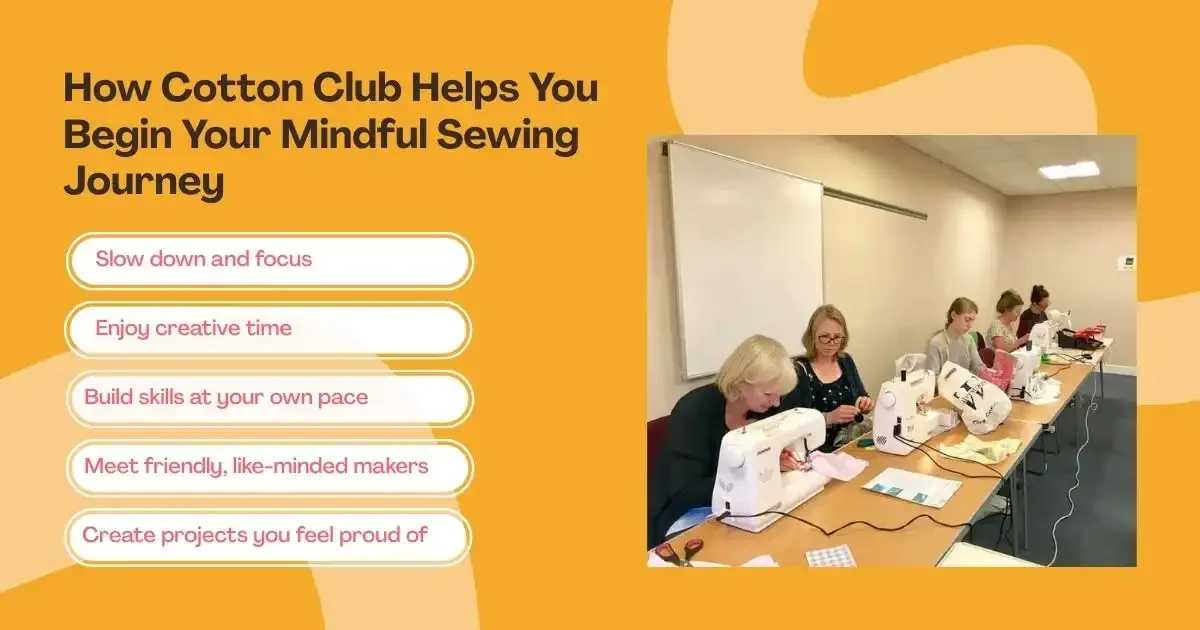
If you're new to sewing or looking to refine your skills, Cotton Club provides a welcoming space to learn without pressure. The sewing classes are designed to help you:
Slow down and focus
Enjoy creative time
Build skills at your own pace
Meet friendly, like-minded makers
Create projects you feel proud of
Many students describe their classes as the most relaxing part of their week. It’s not just about sewing—it’s about reconnecting with yourself.
Begin Your Mindful Sewing Journey
Mindfulness doesn’t always come from silence or stillness. Sometimes it comes from movement, creativity, and the simple joy of making something with your hands. Sewing offers all of that in one gentle, calming practice.
By taking time for yourself—even just an hour or two—you create room to breathe, reset, and find balance. Whether you sew at home or join a class at Cotton Club, each stitch becomes a reminder to slow down, enjoy the moment, and care for your wellbeing. If you're ready to experience the calming, creative world of mindful sewing, Cotton Club is the perfect place to begin.
Frequently Asked Questions for Mindfulness and Sewing
How long does it take someone to learn sewing?
If you’re new to sewing, the basics can usually be picked up within two to three weeks. Developing neat, consistent stitching often takes six to nine months, and learning continues as you explore new techniques over time.
What are the 5 benefits of sewing?
Sewing matters because it gives you a creative outlet, helps save money, and offers a calming way to manage stress. It allows you to make personalised, well-fitting pieces, supports more sustainable habits, builds confidence, improves coordination, and develops useful life skills.
How does sewing help mental health?
Studies show that hand sewing can lower stress, lift mood, enhance self-confidence, and encourage mindfulness. Practising in groups also helps reduce feelings of loneliness.
Why is sewing so calming?
It requires deep focus, creative involvement, and a temporary loss of self-consciousness. Being in the flow means you’re fully absorbed, letting go of worries or anxieties. This state can help lower stress and, over time, boost overall happiness.